Investigation of phenolic compounds and antioxidant properties in honey, pollen and propolis according to regional and Apis mellifera genotypes

  • Semiramis Karlıdağ Battalgazi Vocational School, University of Malatya Turgut Ozal, Malatya, Türkiye
Keywords: antioxidant, bee products, bees’ genotypes, flora, geographical location

Abstract

Objective: Honey, bee pollen and propolis are natural apicultural products whose chemical composition and biological activities are influenced by the floral characteristics of the regions in which they are produced. In this study, the phenolic profiles and antioxidant properties of honey, pollen and propolis samples collected from two distinct altitudinal zones (Yamadağ and Battalgazi) and derived from two different bee genotypes (Apis mellifera caucasica and Apis mellifera carnica) were systematically compared.

Methods: The phenolic content of the ethanol extracts was quantified in terms of total phenolic content (TPC) and total flavonoid content (TFC). The phenolic composition was identified using HPLC-PDA (high-performance liquid chromatography – photodiode array detector), calibrated with 26 phenolic standards. The antioxidant activity was assessed using the ferric-reducing antioxidant power (FRAP) assay and diphenylpicrylhydrazyl radical scavenging activity.

Results: The findings of this study demonstrate that both regional flora and bee genotype significantly affect the phenolic composition and antioxidant capacities of these bee products. Specifically, A. m. carnica was found to be more influential for pollen production, while A. m. caucasica exhibited greater significance in propolis. Furthermore, the results highlighted that, in terms of phenolic content and antioxidant potential, propolis exhibited approximately 300 times the richness of honey and 20 times the richness of pollen.

Conclusion: Thus, the phenolic composition and antioxidant activity of bee products vary depending on factors such as regional flora, bee genotype and geographical location.

Downloads

Download data is not yet available.

References


1.
Yildiz O, Gurkan H, Sahingil D, Degirmenci A, Er Kemal M, Kolayli S, et al. Floral authentication of some monofloral honeys based on volatile composition and physicochemical parameters. Eur Food Res Technol 2022; 248(8): 2145–55. doi: 10.1007/s00217-022-04037-4

2.
Kolayli S, Can Z, Kara Y, Ozkok A, Ozmert Ergin S, Kemal M, et al. Physicochemical characteristics, phenolic components, and antioxidant capacities of lavender honey (Lavandula Spp.) from Isparta region of Türkiye. Chem Biodivers 2024; 21: 9. doi: 10.1002/cbdv.202400718

3.
Ucurum O, Tosunoglu H, Takma Ç, Birlik PM, Berber M, Kolaylı S. Distinctive properties of the pine, oak, chestnut and multifloral blossom and honeydew honeys. Eur Food Res Technol 2024; 250(6): 1765–74. doi: 10.1007/s00217-024-04520-0

4.
Bayav A, Kadakoğlu B, Karlı B. A global view of beekeeping from Turkey. VI. International Conference on Global Practice of Multidisciplinary Scientific Studies, Lisbon, April, 09–16p, pp. 1701–11. Available from: https://www.researchgate.net/publication/381003311_Ariciliga_Turkiye’den_Kuresel_Bir_Bakis_ [cited 2 February 2025].

5.
Kolayli S, Birinci C, Kanbur ED, Ucurum O, Kara Y, Takma C. Comparison of biochemical and nutritional properties of bee pollen samples according to botanical differences. Eur Food Res Technol 2024; 250(3): 799–810. doi: 10.1007/s00217-023-04428-1

6.
Kemal M, Esertaş ÜZÜ, Kanbur ED, Kara Y, Özçelik AE, Can Z, et al. Characterization of the black cumin (Nigella sativa L.) honey from Türkiye. Food Biosci 2023; 53: 102760. doi: 10.1016/j.fbio.2023.102760

7.
Can Z, Yildiz O, Sahin H, Akyuz Turumtay E, Silici S, Kolayli S. An investigation of Turkish honeys: their physico-chemical properties, antioxidant capacities and phenolic profiles. Food Chem 2015; 180: 133–41. doi: 10.1016/j.foodchem.2015.02.024
8.Kolayli S, Palabiyik I, Atik DS, Keskin M, Bozdeveci A, Karaoglu SA. Comparison of antibacterial and antifungal effects of different varieties of honey and propolis samples. Acta Aliment 2020; 49(4): 515–23. doi: 10.1556/066.2020.49.4.18

9.
Sahin H, Turumtay EA, Yildiz O, Kolayli S. Grayanotoxin-III detection and antioxidant activity of mad honey. Int J Food Prop 2015; 18(12): 2665–74. doi: 10.1080/10942912.2014.999866

10.
Uçurum HÖ, Tepe Ş, Yeşil E, Güney F, Karakuş S, Kolayli S, et al. Characterization of Turkish pine honey according to their geographical origin based on physicochemical parameters and chemometrics. Eur Food Res Technol 2023; 249(5): 1317–27. doi: 10.1007/s00217-023-04215-y

11.
Kolayli S, Can Z, Çakir HE, Okan OT, Yildiz O. An investigation on Trakya region Oak (Quercus spp.) honeys of Turkey: their physico-chemical, antioxidant and phenolic compounds properties. Turk Biyokim Derg 2018; 43(4): 362–74. doi: 10.1515/tjb-2017-0174

12.
Genç F, Dülger C, Dodoloğlu A, Kutluca S. Comparision of some physiological characters of Caucasian, Central Anatolian and Erzurum honeybee (Apis mellifera L.) genotypes in the conditions of Erzurum. Turk J Vet Anim Sci 1999; 23(10): 645–50. Available from: https://journals.tubitak.gov.tr/veterinary/vol23/iss10/1/ [ cited 20 January 2025].

13.
Sahinler N, Gul A. The effects of propolis production methods and honeybee genotypes on propolis yield. Pak J Biol Sci 2005; 8(9): 1212–14. doi: 10.3923/pjbs.2005.1212.1214

14.
Khalifa SA, Elashal MH, Yosri N, Du M, Musharraf SG, Nahar L, et al. Bee pollen: current status and therapeutic potential. Nutrients 2021; 13(6): 1876. doi: 10.3390/nu13061876

15.
Yil G, Karlidag S, Akyol A, Koseman A, Uyumlu AB, Yilmaztekin M, et al. Pollen and fungal spore composition variations of honeys according to different feeding methods. Pak J Bot 2023; 55(1): 237–47. doi: 10.30848/PJB2023-1(17)

16.
Thakur M, Nand V. Composition and functionality of bee pollen: a review. Trends Food Sci Technol 2020; 98: 82–106. doi: 10.1016/j.tifs.2020.02.001

17.
Bankova V, Popova M, Trusheva B. Propolis volatile compounds: chemical diversity and biological activity: a review. Chem Cent J 2014; 8: 1–8. eCollection 2014. doi: 10.1186/1752-153X-8-28

18.
Kolaylı S, Birinci C, Kara Y, Ozkok A, Samancı AET, Sahin H, et al. A melissopalynological and chemical characterization of Anatolian propolis and an assessment of its antioxidant potential. Eur Food Res Technol 2023; 249(5): 1213–33. doi: 10.1007/s00217-023-04208-x

19.
Erkan C, Kara Y, Keskin M, Ertürk Ö, Gösterit A, Kolaylı S. Determination of bioactivity and antimicrobial activity of Bumblebee (Bombus terrestris L.) brood cover wax material. J Hellen Veter Med Soc 2022; 73(3): 4485–92. doi: 10.12681/jhvms.27497

20.
Ma D, Guo Y, Ali I, Lin J, Xu Y, Yang M. Accumulation characteristics of plant flavonoids and effects of cultivation measures on their biosynthesis: a review. Plant Physiol Biochem 2024; 215: 108960. doi: 10.1016/j.plaphy.2024.108960

21.
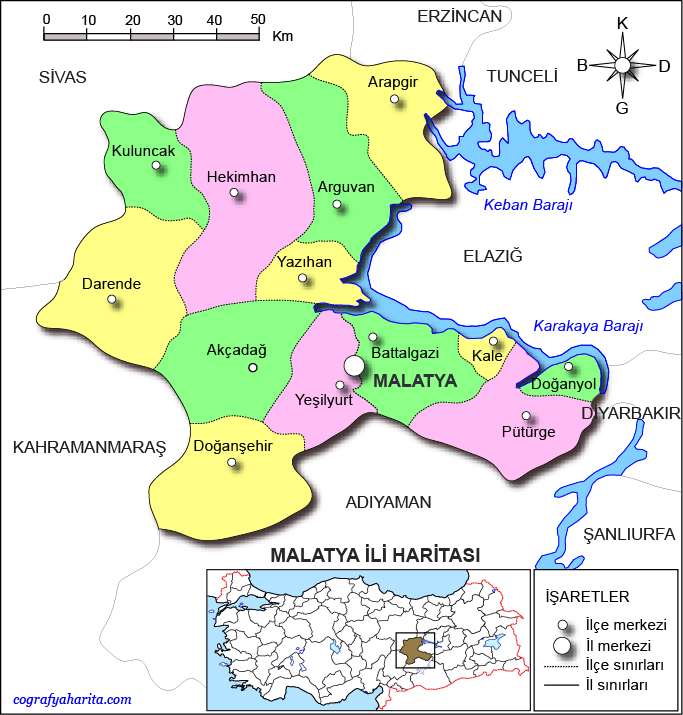
Anonymous. Available from: http://cografyaharita.com/haritalarim/4l_malatya_ili_haritasi.png [cited 23 January 2025].

22.
Kolaylı S, Birinci C. A comparative study of solvent effect on propolis extraction by ultrasound-assisted extraction. Turk J Anal Chem 2024; 6(1): 1–17. doi: 10.51435/turkjac.1445121

23.
Slinkard K, Singleton VL. Total phenol analysis: automation and comparison with manual methods. Am J Enol Vitic 1977; 28(1): 49–55. doi: 10.1002/star.19780301107

24.
Fukumoto LR Mazza G. Assessing antioxidant and prooxidant activities of phenolic compounds. J Agric Food Chem 2000; 48(8): 3597–604. doi: 10.1021/jf000220w

25.
Benzie IF, Strain JJ. The ferric reducing ability of plasma (FRAP) as a measure of ‘antioxidant power’: the FRAP assay. Anal Biochem 1996; 239(1): 70–6. doi: 10.1006/abio.1996.0292

26.
Molyneux P. The use of the stable free radical diphenylpicrylhydrazyl (DPPH) for estimating antioxidant activity. Songklanakarin J Sci Technol 2004; 26(2): 211–19.

27.
Kara Y, Birinci C. Usability of the phenolic profile analysis method developed in RP-HPLC-PDA in natural products. J Apitherapy Nat 2024; 7(1): 14–27. doi: 10.35206/jan.1430767

28.
Keskin S, Karlidag S, Mayda N, Ozkok A. Comparison of biochemical and antimicrobial activities of different honey samples. Czech J Food Sci 2021; 39(4): 273–80. doi: 10.17221/38/2021-CJFS

29.
Kolayli S, Sahin H, Can Z, Yildiz O, Sahin K. Honey shows potent inhibitory activity against the bovine testes hyaluronidase. J Enzyme Inhib Med Chem 2016; 31(4): 599–602. doi: 10.3109/14756366.2015.1054819

30.
Liu Y, Luo J, Peng L, Zhang Q, Rong X, Luo Y, et al. Flavonoids: potential therapeutic agents for cardiovascular disease. Heliyon 2024; 10(12): e32563. doi: 10.1016/j.heliyon.2024.e32563

31.
Cane JH, Schiffhauer D. Pollinator genetics and pollination: do honey bee colonies selected for pollen‐hoarding field better pollinators of cranberry Vaccinium macrocarpon? Ecol Entomol 2001; 26(2): 117–23. doi: 10.1046/j.1365-2311.2001.00309.x

32.
Kekeçoğlu M, Keskin S, Birinci C, Birinci E, Kolaylı S. Effects of honey bee race and season on propolis composition. J Agric Sci 2021; 27(3): 292–7. doi: 10.15832/ankutbd.619996

33.
Kesić A, Mazalović M, Crnkić A, Ćatović B, Hadžidedic Š, Dragošević G. The influence of L-ascorbic acid content on total antioxidant activity of bee-honey. Eur J Sci Res 2009; 32(1): 95–101. Available from: https://www.researchgate.net/publication/267030644_The_influence_of_L-ascorbic_acid_content_on_total_antioxidant_activity_of_bee-honey [cited 23 January 2025].

34.
Cora M, Üreyen Esertaş ÜZ, Kara Y, Kolaylı S. Antioxidant, antimicrobial, antiviral, and antiproliferative properties of Turkish propolis sample. Eur Food Res Technol 2025; 251: 123–33. doi: 10.1007/s00217-024-04618-5

35.
Cora M, Buruk CK, Ünsal S, Kaklikkaya N, Kolaylı S. Chemical analysis and in vitro antiviral effects of Northeast Türkiye Propolis samples against HSV-1. Chem Biodiver 2023; 20: 8. doi: 10.1002/cbdv.202300669

36.
Üreyen Esertaş ÜZ, Kara Y, Kiliç AO, Kolayli S. A comparative study of antimicrobial, anti-quorum sensing, anti-biofilm, anti-swarming, and antioxidant activities in flower extracts of pecan (Carya illinoinensis) and chestnut (Castanea sativa). Arch Microbiol 2022; 204(9): 589. doi: 10.1007/s00203-022-03172-6

37.
Yil G, Karlidag S. Palynological analyses of Malatya Propolis samples. Manas J Agric Vet Life Sci 2023; 13(1): 40–9. doi: 10.53518/mjavl.1262653

38.
Akin EB, Karabulut I, Topcu A. Some compositional properties of main Malatya apricot (Prunus armeniaca L.) varieties. Food Chem 2008; 107(2): 939–48. doi: 10.1016/j.foodchem.2007.08.052

39.
Can Z, Birinci C, Kara Y, Üreyen Esertaş ÜZ, Kolaylı S. Determination of phenolic content and bioactive characterization of Anatolian propolis. Eur Food Res Technol 2024; 250: 2059–68. doi: 10.1007/s00217-024-04522-y
Published
2025-08-01
How to Cite
Karlıdağ , S. (2025). Investigation of phenolic compounds and antioxidant properties in honey, pollen and propolis according to regional and Apis mellifera genotypes. Food & Nutrition Research, 69. https://doi.org/10.29219/fnr.v69.12234
Section
Original Articles